The following reflection was shared at Bach Vespers, March 22, 2026 at St. Thomas Episcopal Church (Terrace Park).
Sailing experience comes in many forms, but two have shaped my thinking — ocean sailing and lake sailing — and the contrast between them turns out to be a surprisingly useful lens for tonight’s cantata.
I have done some cruising on a large sailboat — in the Chesapeake and the Caribbean about a half dozen times — and have taken a few courses with the American Sailing Association.
One thing I know about sailing larger vessels is that wind conditions in the ocean often stay consistent for longer periods of time relative to lake sailing. In good weather, a captain must know the day’s forecast, observe local conditions, and then choose a route and set the sails appropriately. Depending on your destination, you might find yourself sailing on the same tack for 30 minutes, an hour, several hours, or even perhaps several days. If you get the right wind and you’re crossing an ocean, you might make small adjustments but not really change course for a week.
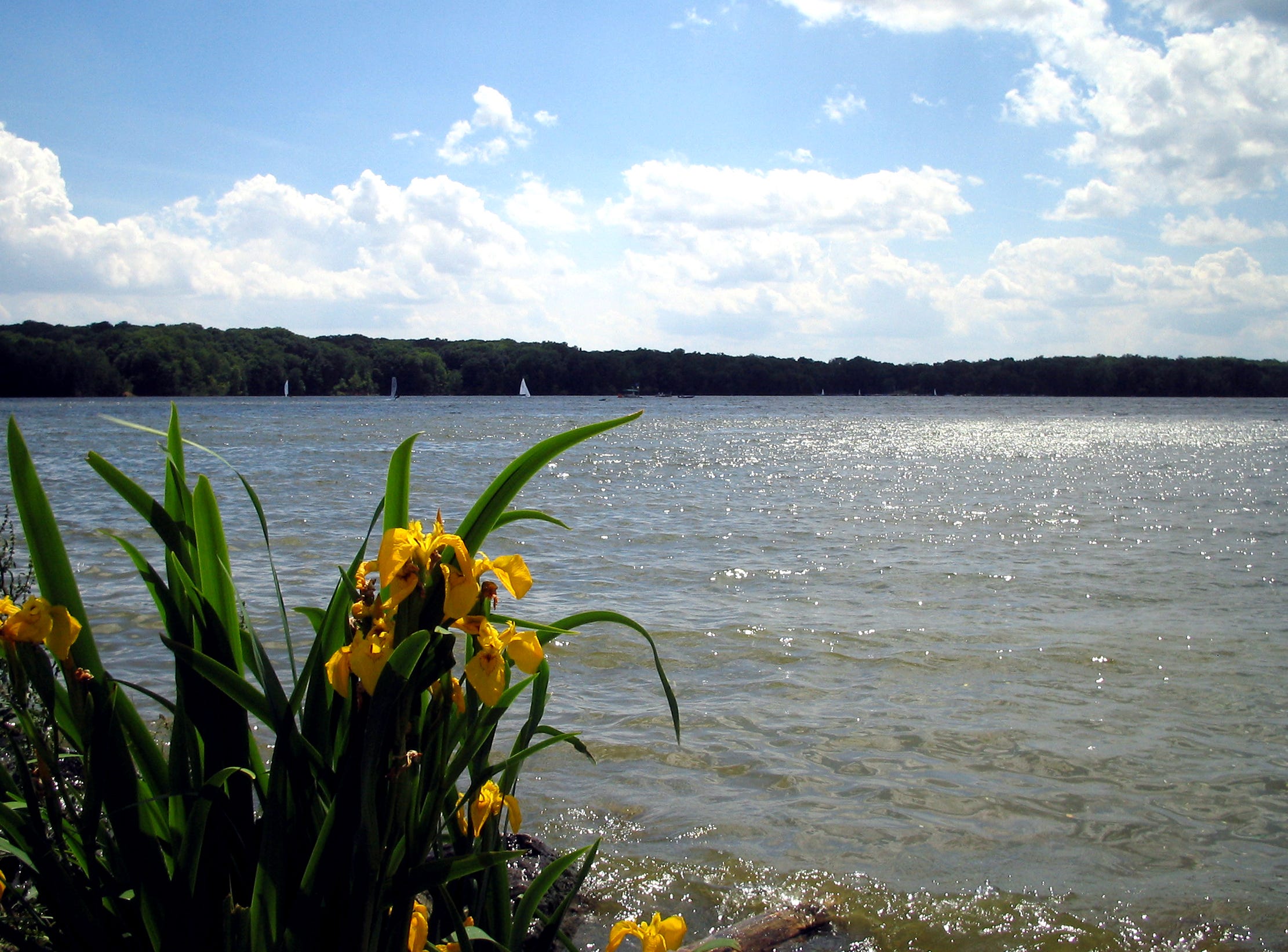
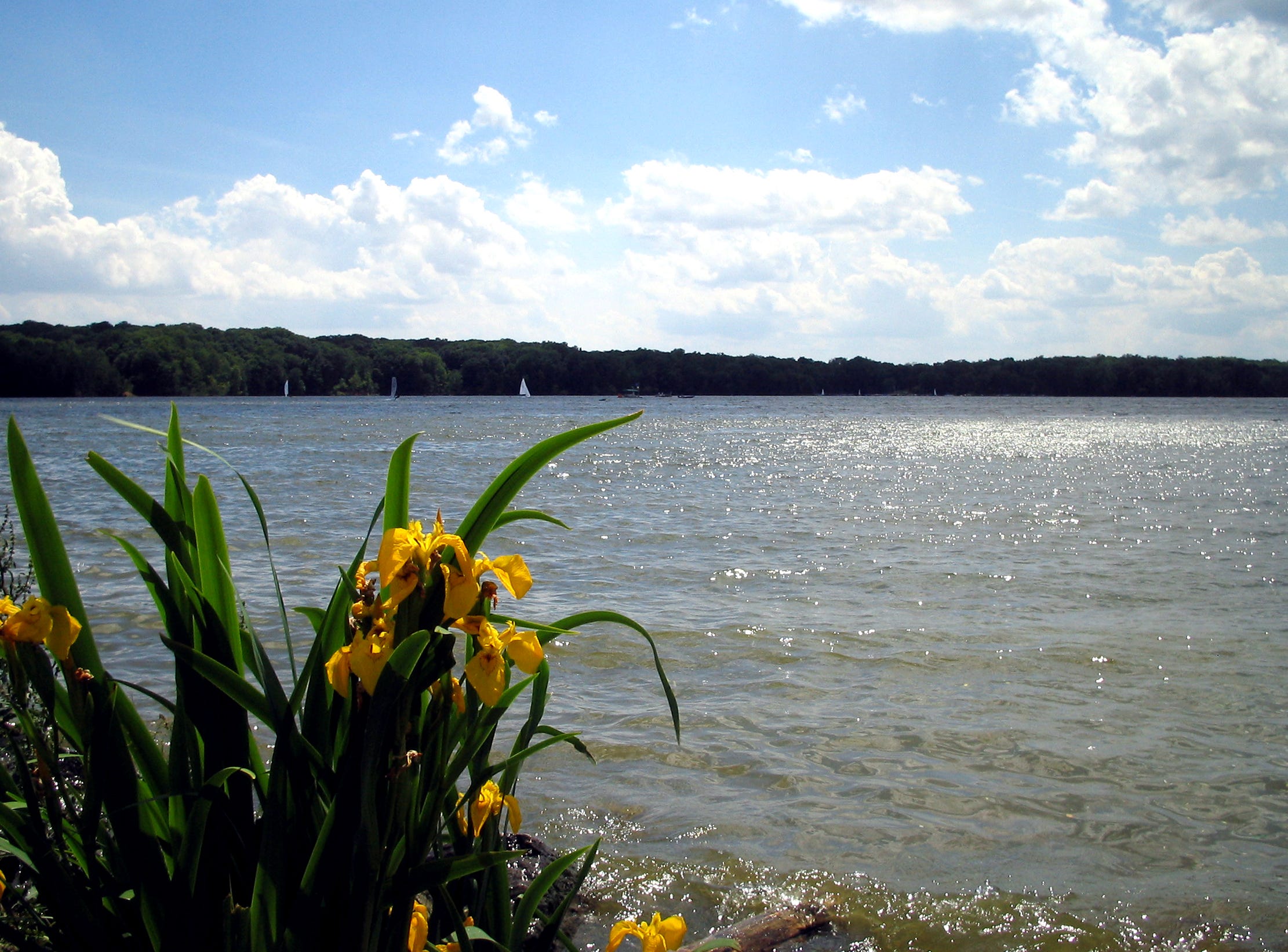
Lake sailing, as I mostly do on Cowan Lake near Wilmington, Ohio, is very different. The winds on Cowan Lake are anything but consistent. Gusts can sometimes double the apparent wind in an instant and then drop down just a few seconds later. Wind direction can shift constantly, often between 90 or even 180 degrees on the compass. These changes can sometimes be anticipated, but they require some diligence on the part of a good skipper in order not to lose momentum, or worse, dump yourself into the water.
My time on the water has convinced me that the ancient philosophical connections between sailing and life are valid and insightful. You no doubt have heard the adage:
A smooth sea never made a skilled sailor.
Our lives are in constant change. The rate of change may differ. We might have long passages of happiness or sadness, with little or no change. We might also experience the unsettling and disquieting feeling of constant change, struggling to anticipate the next high or low. In this way, the differences between what I have painted with a broad brush as lake and ocean sailing can be helpful metaphors as we consider our lives.
This is the lens I would invite you to bring to tonight’s cantata, BWV 150. Bach wrote this early in his compositional life, and it bears the hallmarks of his earlier cantatas. As Bach Vespers patrons, you may have become accustomed to the usual assortment of choruses, recitatives, arias, and chorales that define Bach’s mature style. The ebbs and flows of this structure — with the recitatives giving us narrative, the arias points of reflection, and the chorales amplifying the teachings of the Christian church — allow us to set our sails at the start of a cantata knowing roughly where we are headed.
Bach’s earlier cantatas were decidedly more like lake sailing. As you listen this evening, you may note that things change quickly in this work. The tempo changes mid-movement, the emotions range from sadness to hope to fear to resignation, all within the span of a few minutes. While Bach would adapt this style over the years to his more mature work, these juxtapositions aid in interpreting the text for tonight’s cantata.
Take for example the second movement. In just two sentences, taken from the first two verses of Psalm 25, we have four distinct emotional and spiritual qualities:
Lord, I long after you.
My God, I hope in you.
Let me not be put to shame.
Lest my enemies rejoice over me. (fear)
Longing, hope, shame, and fear. As you listen, notice the choices Bach has made to convey this text tonight. How would you expect music of longing to sound? What about hope? And shame? The emotional gusts come quickly and abruptly, leaving you needing to trim your emotional sails rapidly.
The fourth movement also presents such an example. Here the psalm asks to be led by God. The path is presented to us in a long, rising scale set in a slow tempo, suggesting awe and humility. The scale begins in the bass and ascends through the other voices and even to the two violins. But then, unexpectedly, the tone changes and the music becomes excited and uncontained. Here we feel the same text — “Lead me in your truth and teach me” — in two very different emotional states, like a sudden gust shifting everything at once.
It is helpful to reflect on music like this, particularly in times of instability and adjustment. This cantata meets us in flux — which is especially fitting in Lent, but there are plenty of other occasions that call for it too: personal struggles and life changes, societal uneasiness and discord. These moments weigh on us, particularly when they arrive faster than we can fully process them.
Lent is a season of reflection and recalibration, and this cantata seems especially appropriate for that work. Its restlessness does not distract us from what is constant — it calls us back to it. We must stay alert to the changes around us but keep trimming our sails toward what endures.
As the old saying goes: you can’t control the wind, but you can adjust your sails. My hope is that tonight’s music helps you do exactly that.